
Hi all-
I purchased some 4oz fiberglass cloth online from a company I've bought from (with good results) in the past.
Unfortunately, this batch of cloth arrived wrinkled:
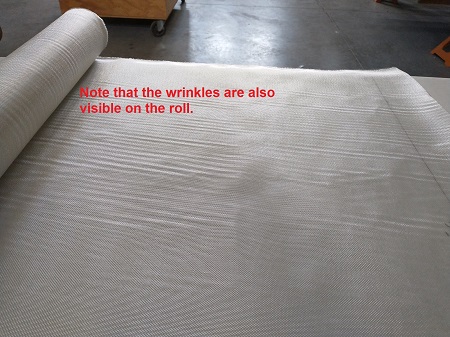
I thought/hoped that I could flatten out the wrinkles when I applied the bond coat of (Raka) resin.
No luck. Whether I used a roller or squegee, the wrinkles would disappear for an instant, and then they would come back.
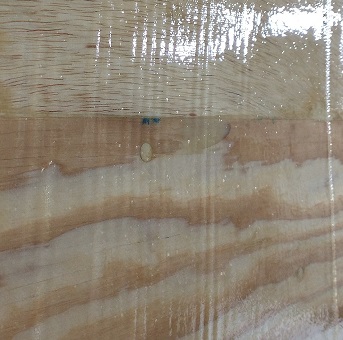
(photo taken after one bond coat + one fill/top coat)
Rats.
I've gone at this with an elec orbital sander with 80 grit and knocked off most of the high spots, stopping when I can see that I'm close to sanding into the fiberglass cloth.
There are no signs of air pockets under the wrinkles.
Plan is to apply another fill coat and sand again. Probably will repeat again after that.
Best guess is that I'll have things pretty well leveled out at that point. Considering topping with a textured truck bed liner which will go a long way towards hiding any imperfections in the finish.
Any big concerns about this compromised application of fiberglass? Not really worried about losing any strength (underlying structure is pretty stout), but wondering if this will increase chances of delamination?
Thanks for any help. Only those who are thinking "this won't be a problem" should reply. haha
I purchased some 4oz fiberglass cloth online from a company I've bought from (with good results) in the past.
Unfortunately, this batch of cloth arrived wrinkled:
I thought/hoped that I could flatten out the wrinkles when I applied the bond coat of (Raka) resin.
No luck. Whether I used a roller or squegee, the wrinkles would disappear for an instant, and then they would come back.
(photo taken after one bond coat + one fill/top coat)
Rats.
I've gone at this with an elec orbital sander with 80 grit and knocked off most of the high spots, stopping when I can see that I'm close to sanding into the fiberglass cloth.
There are no signs of air pockets under the wrinkles.
Plan is to apply another fill coat and sand again. Probably will repeat again after that.
Best guess is that I'll have things pretty well leveled out at that point. Considering topping with a textured truck bed liner which will go a long way towards hiding any imperfections in the finish.
Any big concerns about this compromised application of fiberglass? Not really worried about losing any strength (underlying structure is pretty stout), but wondering if this will increase chances of delamination?
Thanks for any help. Only those who are thinking "this won't be a problem" should reply. haha


