peterchech
Senior Member
- Joined
- Aug 17, 2010
- Posts
- 241
- Reaction score
- 10
- Location
- new jersey
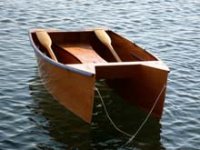
I am designing a 10' outrigger canoe to be used as a tender on my 25' keelboat. I may try tortured ply, or I may go with s&g a little like this one:

Except, mine will have a transom (needs all the volume possible on such a short waterline). Also, although paddles will be present, I plan on powering this craft with my 2.5 horse ob.
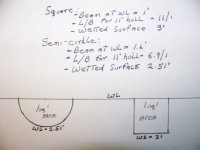
I want this to be narrow (to take up less precious forward deck space when upside down), but it still needs about a 400# carrying capacity.
My question is, what is the minimum l/b ratio necessary to still allow a vaka to exceed hull speed?
I know it is more complicated than JUST l/b ratio, but I would like a baseline here, a starting point.
I have read that the buccaneer 24, with its 8/1 ratio is a good "compromise", but true racers go 10/1 or more. Is 6/1 acceptable? I think that would make the waterline beam about 20 inches, which would probably be just enough displacement for this to work. Any thoughts?