
Getting on the road for pratical 3d printing boatbuilding

do you think the boats of the future will only be 3D printed?

  • yes for sure

    Votes: 0 0.0%
  • no at all

    Votes: 0 0.0%
  • for sure this technology will be always more present in the industry

    Votes: 0 0.0%
  • only for special projects

    Votes: 2 100.0%

  • Total voters
    2

3DPY

fbelvisi
Joined
Mar 8, 2022
Messages
13
Reaction score
4
Location
Palermo
Hi to all,
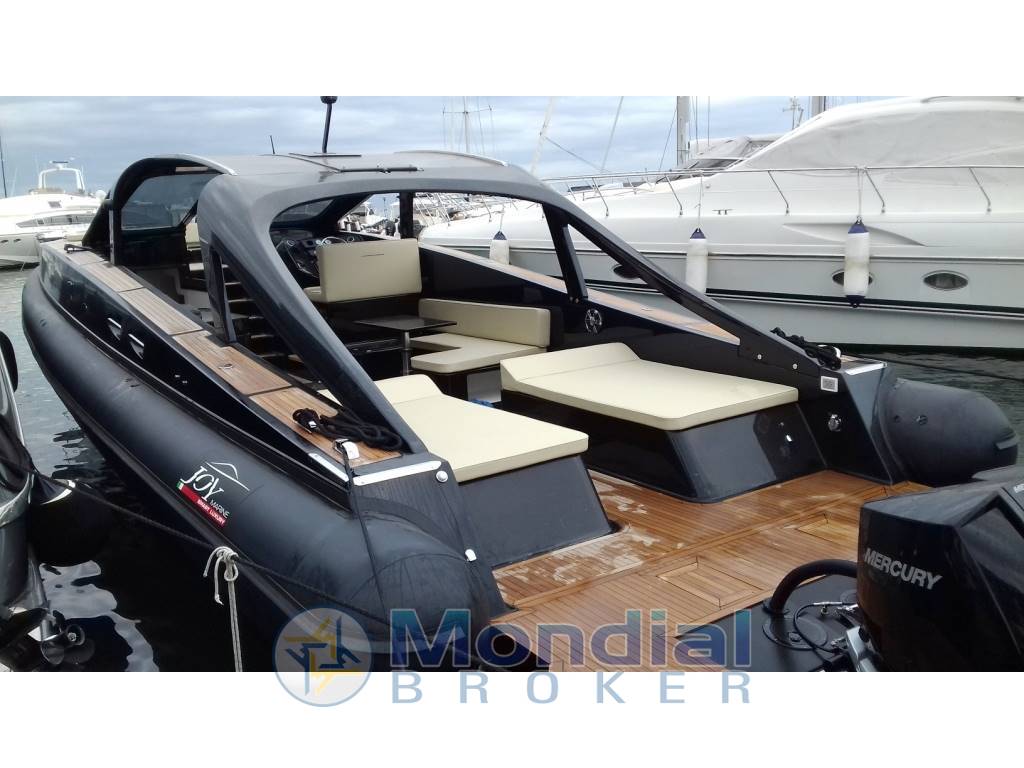
Since 10 years we are researching and testing 3d printing application for boating industry,
At the beginning we were the only ones but in the last years we have seen some applications/ demostrator emerging in the market.
In general the applications we have seen have been for mold that resulted with with huge thikness and model / one off that resulted very heavy compared to a traditional building tecnique and need to be milled to reach a fair surface.
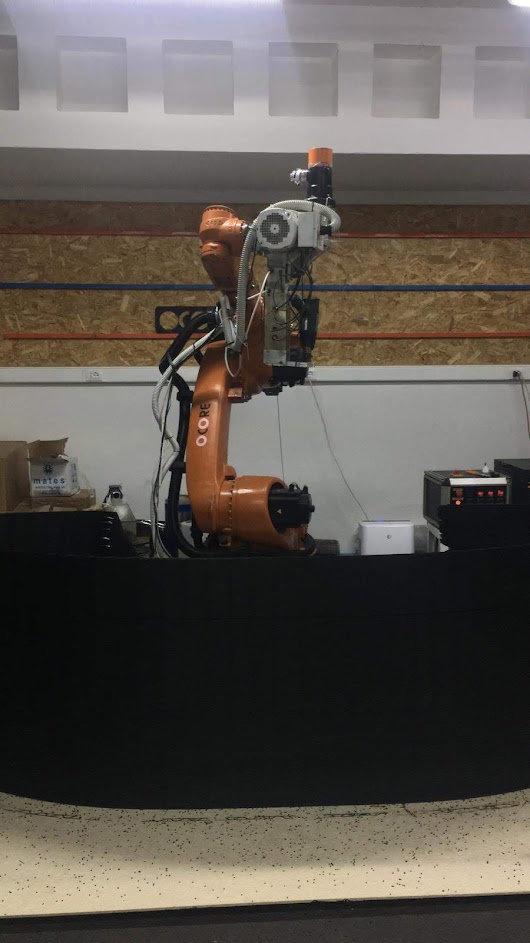
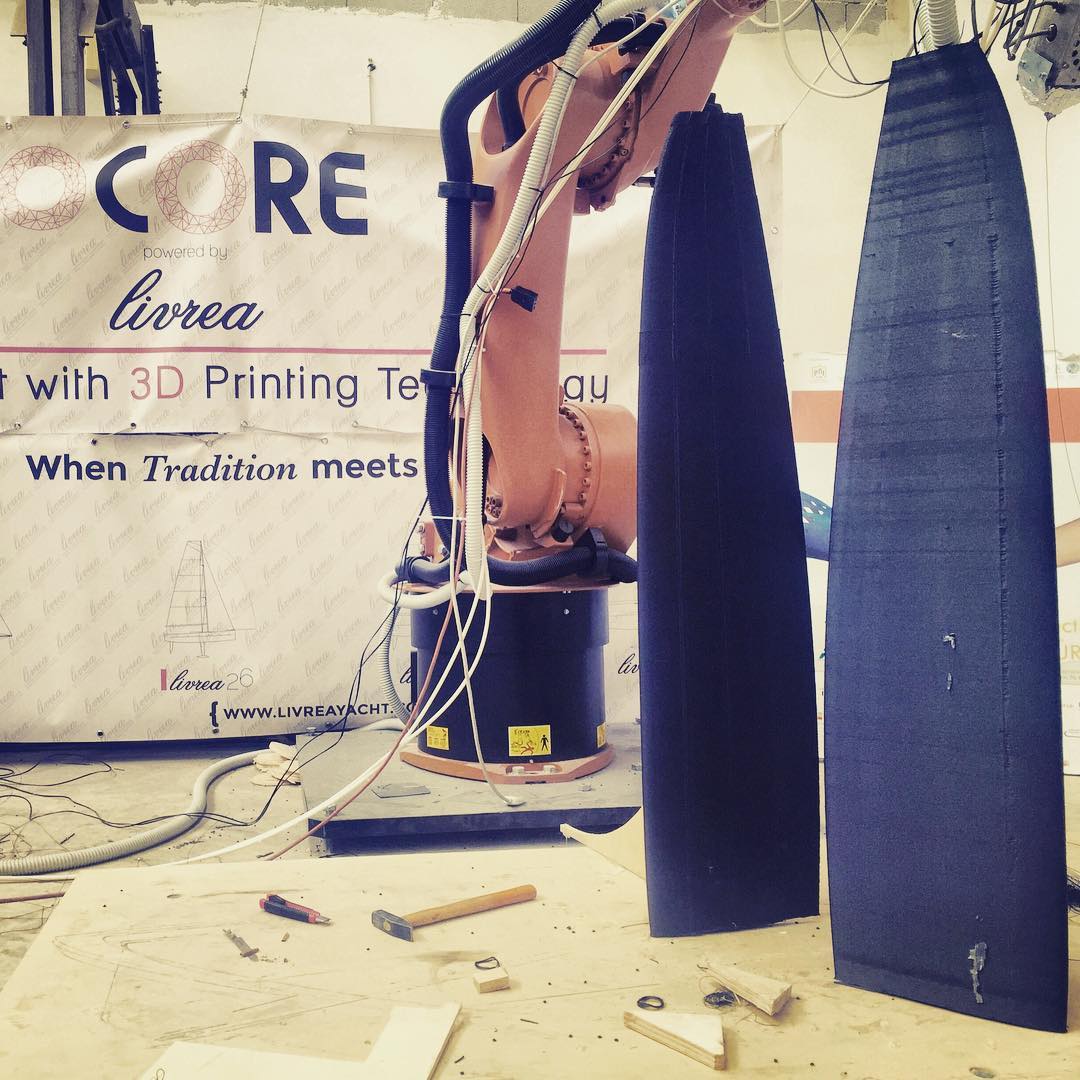
Our approach consist to generate thin walled ribbed cores that could be reinforced with fiber directly parts that are stiff enought for less structural use.
I would like to share with you some successfull application and collect your availability for studyng some dimostrator dedicated to your activity.
20211106_121509.jpg
2564370e-2e0d-4b5d-8eb3-d8889b31400e.jpg
29402565_504083723341545_5215200748253478912_n.jpg
 
How far in the future? Unless someone invents a really large three D printer, boats will be built pretty much the way they are now, with some refinements. Many parts can be three d printed. Some small boats have already been three D printed (I'm talking really small, like dinghies and kayaks) Then there is the cost. The cost of the equipment and materials has to come way down to make it economical enough that people can afford to buy them.
 
Large 3D printers already exist.

The challenge is in the way a printer works to build a shape, and as the original poster mentioned the weight of the finished product.

A combination of printing at low resolution to create a honeycomb core structure covered with a woven stranded material similar to fiberglass but made of plastic that is mechanically heat bonded to the core structure may result in a viable way to create the desired weight and strength.

Plastic is pretty heavy when printed at high resolution for strength.

I think the original poster may be suggesting a process similar to this.
 
Unless the technology advances in a way that dramatically reduces the time taken,it will remain on the fringes of the commercial world.Will we ever see the day when its possible to print two 30 foot hulls each week with the same printers?Even supposing the considerable number of hours of CAD work to produce the 3D file can be amortised over a number of parts.For the time being,I doubt the process will be used for much beyond producing casting patterns for fairly small and specialised parts,perhaps even the parts themselves as post printing heat treatment of SLS parts is feasible.
 
Is further information available other than images?
 
They did a MINI650 prototype in 2018 (here below video) but no news since (?).
 
One of my co-workers built a small 3D printer for himself for when he's not working on lasers the rest of the week. He told me one of the problems even with a small printer is getting the nozzle plane perfectly parallel to the base plate. For a finished object as large as a small boat, I would imagine calibrating the nozzle plane would be very time consuming and subject to error. When the error is greater than the thickness of the material dispensed, the material may not lay where it's supposed to, resulting in distortion in that vertical column all the way to the top of the finished work.
 
Forum posts represent the experience, opinion, and view of individual users. Boat Design Net does not necessarily endorse nor share the view of each individual post.
When making any potentially dangerous or financial decision, always employ and consult appropriate professionals. Your circumstances or experience may be different.

  • Back
    Top